INDUSTRY · PLASTICS PROCESSING

AI for plastics processing

2 weeks to 3 months from diagnosis to production

In plastics processing, margin comes down to scrap and cycle time. We design custom AI solutions that inspect your parts at ejection, stabilize your injection settings and make your conversion processes more reliable.

Industry challenges in 2026

Plastics processing combines costly material, high throughput and sensitive processes. AI addresses each of these constraints without changing how you work.

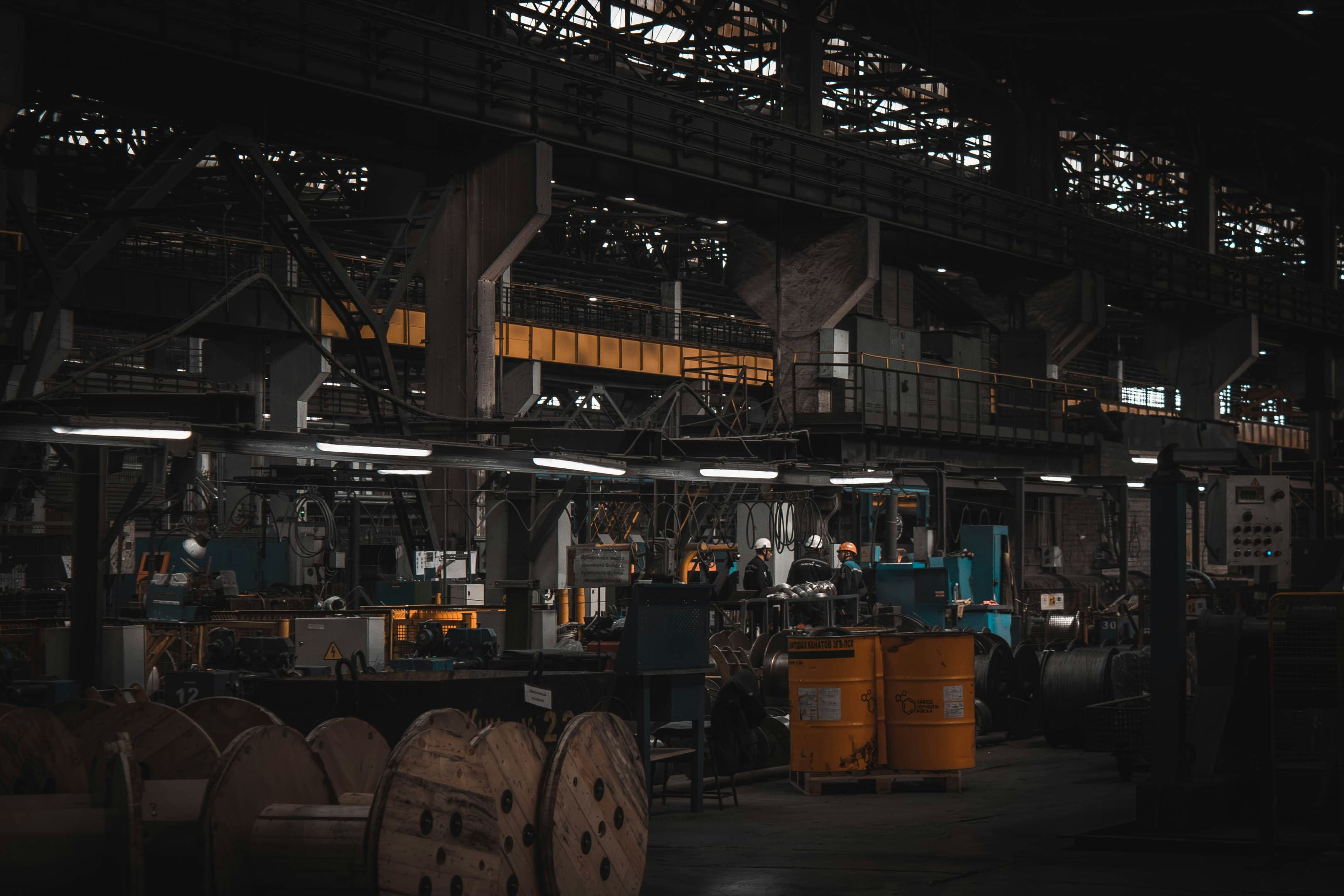
A dimly lit industrial workshop
  • 01

    Cosmetic defects caught too late.

    Sink marks, flash, burns and color defects often surface at final inspection or after assembly, when the value is already sunk. AI vision spots them at ejection and triggers a correction before an entire batch is scrapped.

  • 02

    Scrap that eats into material margin.

    Material costs make scrap a direct loss, regrind included. AI stabilizes injection settings to reduce non-conforming parts and wasted material.

  • 03

    Cycle times under pressure.

    Every second of cycle time affects a press's profitability. AI helps optimize parameters to cut cycle time at constant quality.

  • 04

    Processes sensitive to many parameters.

    Temperature, pressure, hold, cooling, material moisture: many factors affect quality. AI tracks them continuously and suggests the settings that stabilize your conformity rate.

Roles in the industry

From injection to final inspection, every role in plastics processing can rely on AI to secure quality, reduce scrap and hold cycle times.

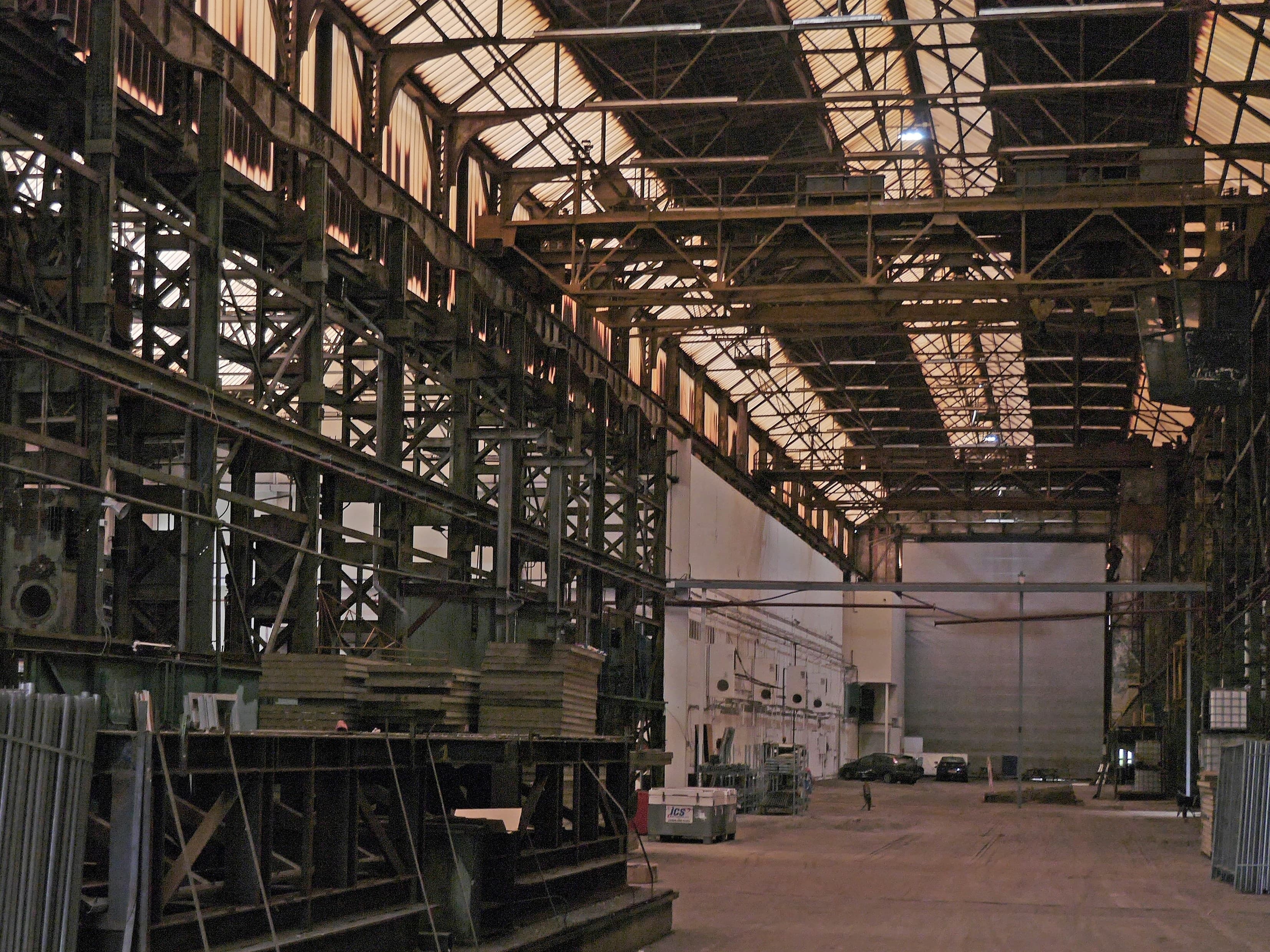
A large industrial hall with a steel frame
  • Injection setter.

    Sets up and stabilizes the presses. AI tracks pressure, temperature and hold time to suggest the parameters that keep the part within tolerance.

  • Press operator.

    Runs production. AI vision inspects every part at ejection and flags sink marks, flash and color defects before a batch ships.

  • Moldmaker.

    Maintains and adjusts the molds. AI cross-references part condition and tool wear to anticipate a mold defect before it spreads.

  • Quality manager.

    Oversees part inspection. AI detects cosmetic defects and dimensional drift at the press output, with full batch traceability.

  • Process engineering manager.

    Industrializes new parts. AI cross-references injection parameters and quality results to lock in the settings for a new mold faster.

  • Maintenance technician.

    Maintains presses and peripherals. AI analyzes machine signals to anticipate drift before production stops.

Why StratIA

  • Sovereignty.

    Your data stays in France or on site. We rely on sovereign building blocks (OVH, Scaleway, Mistral) or on-premise deployment, with no dependency on a foreign cloud.

  • French team.

    A dedicated French team, from scoping to production. People who know your industrial context and stay available after deployment.

  • Defined ROI.

    Return on investment is defined from the scoping phase. We prioritize the most profitable use case and set measurable goals before writing a single line of code.

They trust us

  • Accessite logo, a StratIA client
  • Hello Prépa logo, a StratIA client
  • Bastide Manutention logo, a StratIA client
  • Paymetrust logo, a StratIA client
  • Comité National Olympique et Sportif Français logo, a StratIA client
  • Union des Marchands de Biens logo, a StratIA client
  • Ordre des Géomètres-Experts logo, a StratIA client
  • BTP Ingénierie logo, a StratIA client
  • EM Lyon Business School logo, a StratIA client
  • Logo of a StratIA client
  • Fandi logo, a StratIA client
  • Caratelli logo, a StratIA client
  • Maison Colombo logo, a StratIA client
  • Colibrimm logo, a StratIA client
  • Ligue Occitanie de Tennis logo, a StratIA client
  • Disney logo, a StratIA client

Expert perspectives

“In plastics processing, margin comes down to scrap and cycle time. A cosmetic defect spotted after assembly means material and hours already lost. AI does not replace the setter: it puts a camera and a model on the press to detect a sink mark or flash at ejection, and adjusts injection parameters before the batch drifts. That is where the return on investment is won, within a few months.”

  • Portrait of Yoan Hibert

    Yoan Hibert

    Co-founder & CEO

    Profile
  • Portrait of Baptiste Wieczorek

    Baptiste Wieczorek

    Co-founder & CTO

    Profile

Our method: learn, decide, deploy

You see the whole path from the start, and you only buy the first step. Each step has value on its own and prepares the next.

  1. Learn

    Bootcamp

    For whom: your teams first need to understand what AI changes in their work.

    One hands-on day, on site or remote, on your company's tool (Copilot, ChatGPT, Gemini, Claude), tailored to your industry and your team's level. Your teams build their first AI agents during the day and leave with the business use cases to tackle first.

    Price:
    €2,500 excl. VAT per group (up to 15 people), fundable through your OPCO (French training funds). Bootcamp+ version with follow-up of the same team over three months: €4,000 excl. VAT per group.
  2. Decide

    Bpifrance Diag Data IA

    For whom: you know AI matters, but not where to apply it first.

    A Bpifrance-accredited expert analyzes your organization and workflows, quantifies the value pools using your real numbers and gives you, for each one, the right path: do it yourselves, train a team, or deploy a tool.

    Price:
    €10,000 excl. VAT, 40% covered by Bpifrance, leaving €6,000 to pay (independent SME and mid-sized companies with 10 to 2,000 employees and at least €1M in revenue).

    Not eligible, or need something more focused? The AI audit, one day centered on your use cases, €3,000 excl. VAT.

  3. Deploy

    An AI agent on your workflow

    For whom: you want a result that runs, on the workflow that costs you the most (quotes, quality control, maintenance, documentation, reporting).

    We set up the agent on your existing tools (ERP, MES, CMMS), your teams approve its proposals, and it improves with every correction.

    Price:
    setup priced as a firm quote after the diag or the audit, then a subscription to keep it evolving.

An example

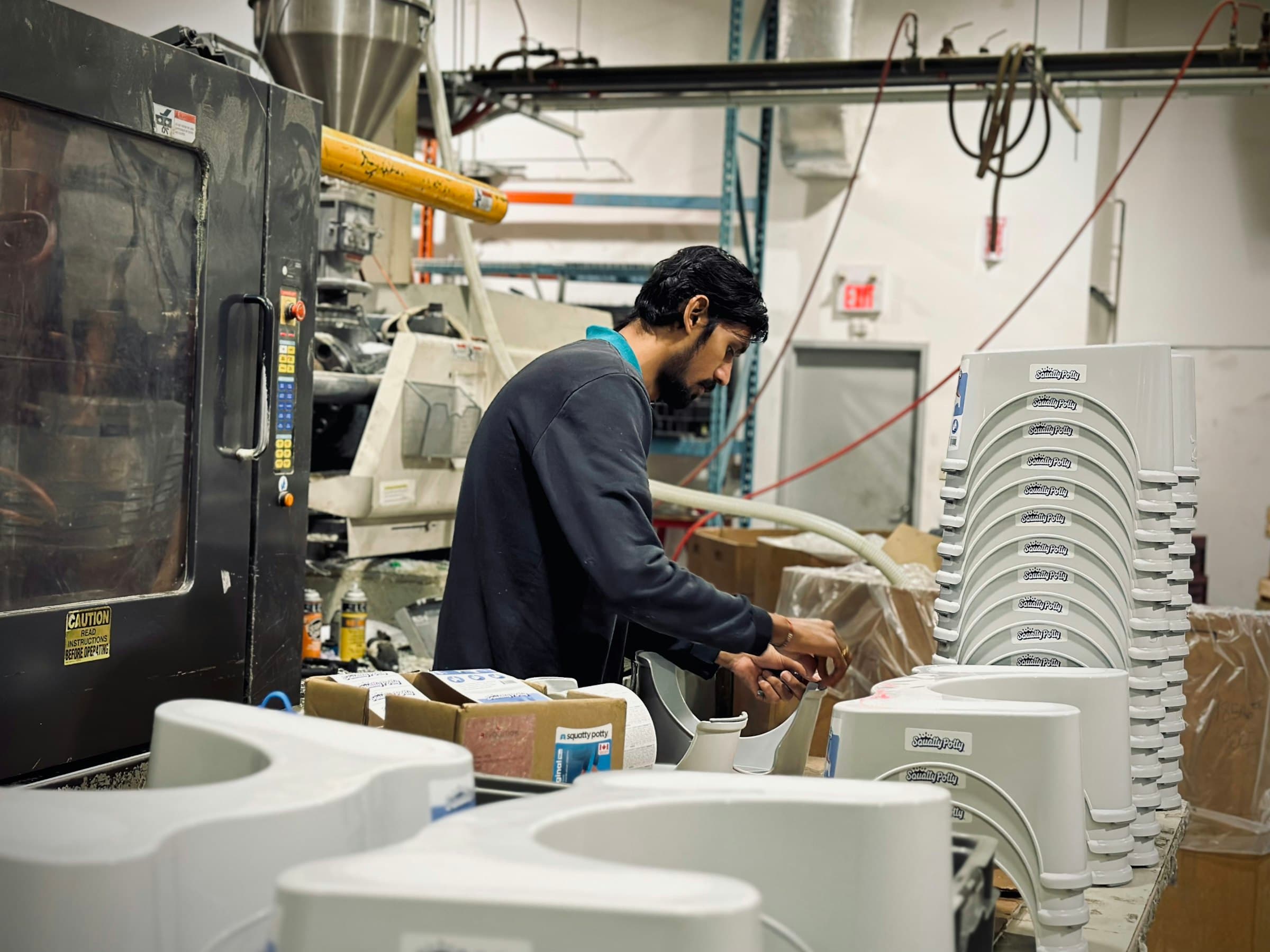
An operator checking plastic parts at the press outlet

Example · Plastic injection molding

Detecting cosmetic defects at the press output

A thermoplastic injection molder producing technical parts was detecting sink marks and flash after assembly, too late. We deployed vision inspection at the press output, paired with a model trained on its recurring defects.

  • −18%

    scrap rate

  • 97%

    of defects detected at the press output

  • 7 months

    return on investment

Estimated savings of €70,000 to €110,000 per year on material and non-conforming parts avoided.

Discuss a similar project
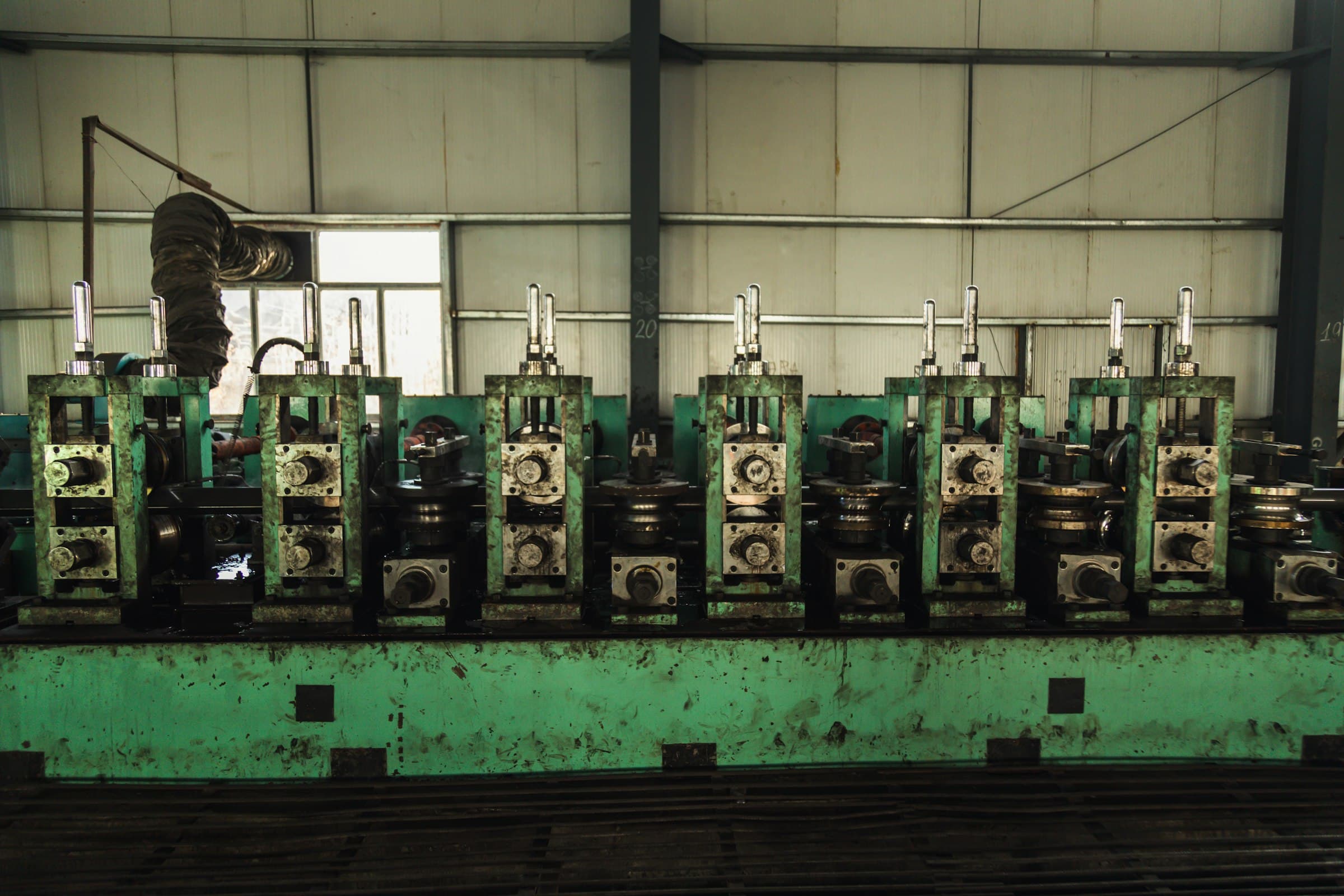
A row of green machines in a processing workshop

Let's discuss your AI project

The questions business leaders ask us most

How does AI reduce scrap in plastics processing?

By inspecting every part at ejection, and correcting injection settings before an entire batch drifts. The stakes are real: at one plastics manufacturer, our audit uncovered more than €90,000 a year in scrap-related losses.

Can AI detect sink marks, flash and color defects?

Yes. The model is trained on your recurring defects and spots them at the press output, on 100% of parts, with a consistency that sample-based visual inspection cannot match.

Can AI reduce cycle time?

Yes. By cross-referencing press parameters and quality results, it suggests settings that shorten the cycle without degrading the part. The setter always approves before applying them.

Does AI adapt to frequent mold changes?

Yes. It learns mold by mold and recommends the right starting point at each changeover, instead of trial and error on the first parts.

Can we anticipate press breakdowns?

Yes. AI tracks signals from your presses and their hydraulic units, and alerts maintenance before a breakdown. The intervention is scheduled during a slow period instead of stopping production mid-run.