INDUSTRY · FOOD PROCESSING

AI for food processing

2 weeks to 3 months from diagnosis to production

Whether you make cured meats, dairy products, industrial bakery goods or ready meals, the levers are the same.

Industry challenges in 2026

Food processing faces constraints few industries know to this degree: schedules upended daily by retail chain orders, full traceability, raw materials whose prices change every week, and teams that are hard to recruit. AI works where it pays off, on your current tools, without overhauling your organization.

Operator in hygiene gear checking a food packaging line
  • 01

    A schedule that doesn't survive the day.

    One rush order, format change or breakdown, and the whole schedule has to be redone by hand. AI recalculates scheduling with every disruption and shows what changes.

  • 02

    Traceability and audits.

    IFS, BRC, customer audits: preparing the files ties up the quality team for days. AI finds the evidence in your documents and prepares the files for approval.

  • 03

    Raw materials under pressure.

    Shifting prices, shortages, supplier lead times: buying too much or too late is costly. AI suggests orders at the right time, based on your actual consumption.

  • 04

    Know-how and turnover.

    Settings, recipes and line tricks rest on a few veterans. AI makes that knowledge searchable by every operator, at the workstation.

Roles in the industry

AI is not just for management: it gives every role in your plant practical tools, from scheduling to the shipping dock.

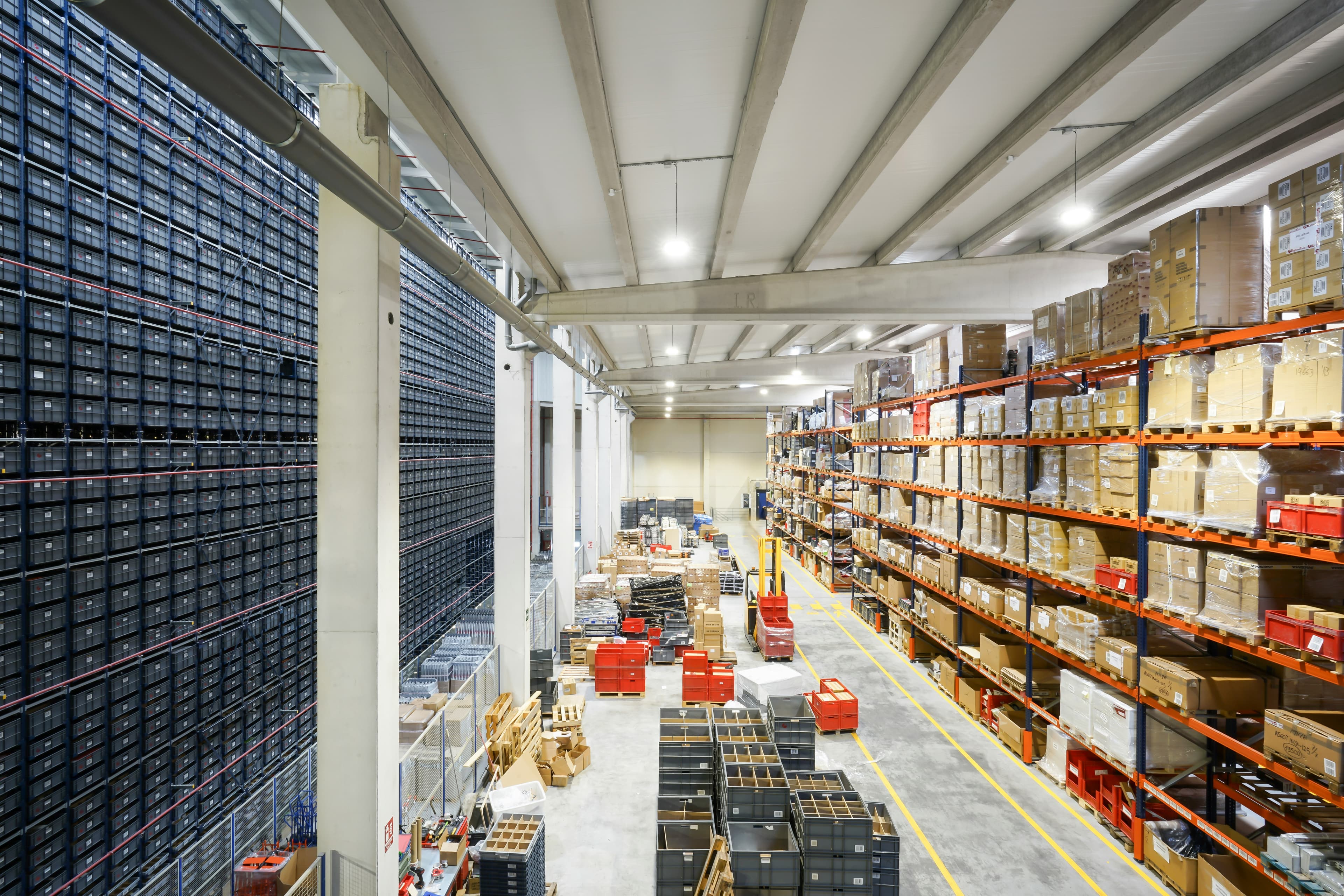
A warehouse with storage racks
  • Production and scheduling.

    The schedule is recalculated with every disruption, and the shop floor manager sees right away what changes.

  • Quality.

    Audit files and non-conformities are prepared from your documents, and the quality team approves.

  • Maintenance.

    Drift on critical machines is spotted before a breakdown, and interventions are scheduled during planned stops.

  • Sales administration and sales.

    Retail chain orders are entered and checked automatically, and discrepancies surface on their own.

  • Purchasing.

    Raw material needs are anticipated from actual consumption and the order book.

  • Management.

    ROI quantified from the scoping stage and data that stays with you, so you can decide fast.

Why StratIA

  • Sovereignty.

    Your data stays in France, hosted with OVH or Scaleway, or even on-premise. Sovereign models (Mistral) when relevant. GDPR and AI Act compliance built in from the design stage.

  • French team.

    A French team dedicated to your project. Short cycles, weekly demos, continuous user validation. No offshoring, no black box.

  • Defined ROI.

    ROI is quantified from scoping, the scope is clear, go/no-go decisions are transparent. You know what you're paying and what you're gaining before you start.

They trust us

  • Accessite logo, a StratIA client
  • Hello Prépa logo, a StratIA client
  • Bastide Manutention logo, a StratIA client
  • Paymetrust logo, a StratIA client
  • Comité National Olympique et Sportif Français logo, a StratIA client
  • Union des Marchands de Biens logo, a StratIA client
  • Ordre des Géomètres-Experts logo, a StratIA client
  • BTP Ingénierie logo, a StratIA client
  • EM Lyon Business School logo, a StratIA client
  • Logo of a StratIA client
  • Fandi logo, a StratIA client
  • Caratelli logo, a StratIA client
  • Maison Colombo logo, a StratIA client
  • Colibrimm logo, a StratIA client
  • Ligue Occitanie de Tennis logo, a StratIA client
  • Disney logo, a StratIA client

Expert perspectives

“In food processing, AI does not replace your teams' know-how: it gives back the time lost redoing the schedule and hunting for audit evidence. The right starting point is always the workflow that costs you the most today.”

  • Portrait of Yoan Hibert

    Yoan Hibert

    Co-founder & CEO

    Profile
  • Portrait of Baptiste Wieczorek

    Baptiste Wieczorek

    Co-founder & CTO

    Profile

Our method: learn, decide, deploy

You see the whole path from the start, and you only buy the first step. Each step has value on its own and prepares the next.

  1. Learn

    Bootcamp

    For whom: your teams first need to understand what AI changes in their work.

    One hands-on day, on site or remote, on your company's tool (Copilot, ChatGPT, Gemini, Claude), tailored to your industry and your team's level. Your teams build their first AI agents during the day and leave with the business use cases to tackle first.

    Price:
    €2,500 excl. VAT per group (up to 15 people), fundable through your OPCO (French training funds). Bootcamp+ version with follow-up of the same team over three months: €4,000 excl. VAT per group.
  2. Decide

    Bpifrance Diag Data IA

    For whom: you know AI matters, but not where to apply it first.

    A Bpifrance-accredited expert analyzes your organization and workflows, quantifies the value pools using your real numbers and gives you, for each one, the right path: do it yourselves, train a team, or deploy a tool.

    Price:
    €10,000 excl. VAT, 40% covered by Bpifrance, leaving €6,000 to pay (independent SME and mid-sized companies with 10 to 2,000 employees and at least €1M in revenue).

    Not eligible, or need something more focused? The AI audit, one day centered on your use cases, €3,000 excl. VAT.

  3. Deploy

    An AI agent on your workflow

    For whom: you want a result that runs, on the workflow that costs you the most (quotes, quality control, maintenance, documentation, reporting).

    We set up the agent on your existing tools (ERP, MES, CMMS), your teams approve its proposals, and it improves with every correction.

    Price:
    setup priced as a firm quote after the diag or the audit, then a subscription to keep it evolving.

An example

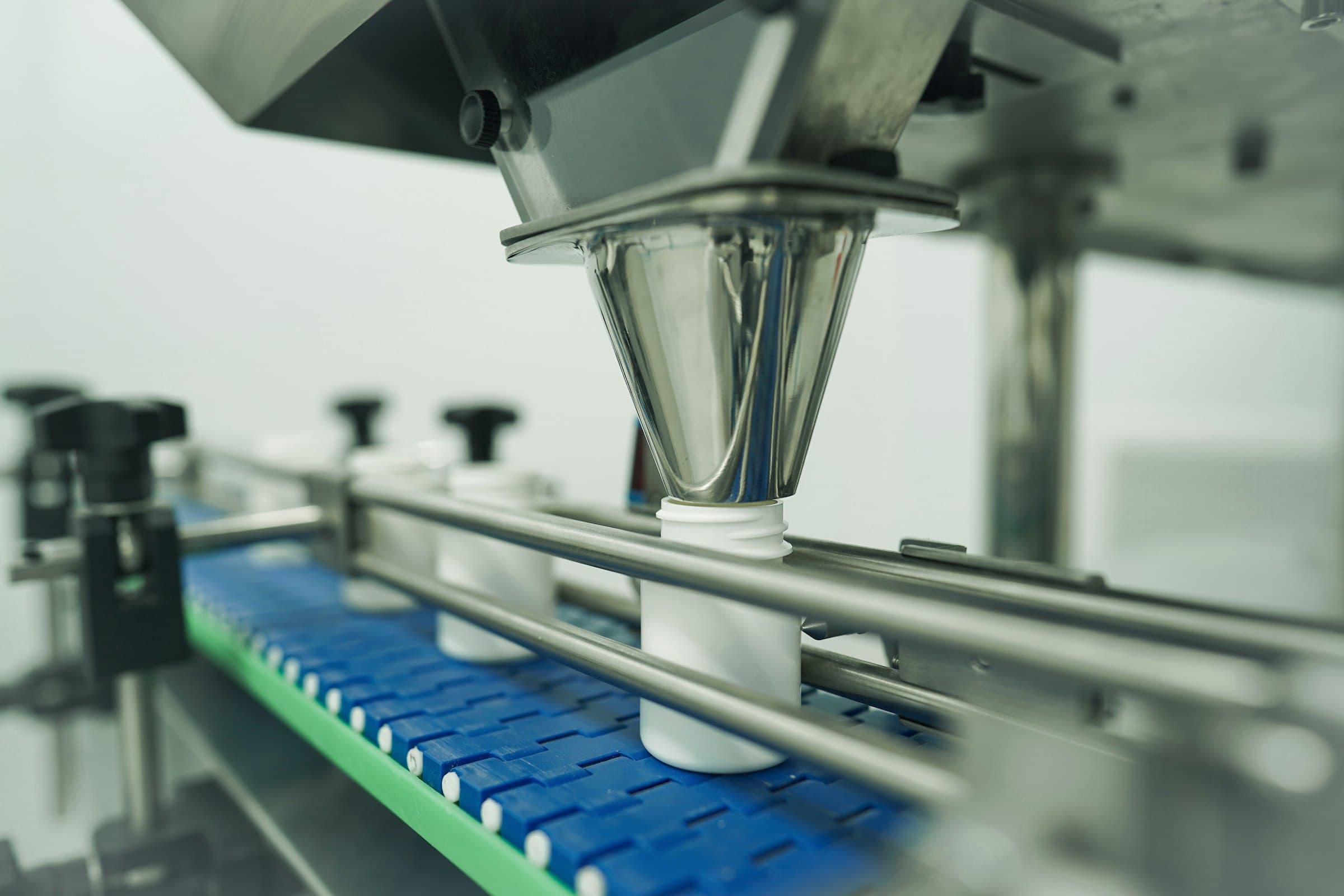
Bottles being filled on a packaging line

Example · Food processing

A production schedule redone by hand with every rush order

Take a food manufacturer whose production schedule is redone by hand with every rush order or format change. An audit quantifies what these reschedulings really cost, then builds a 3-wave roadmap, with scheduling as the top-priority track, on existing tools.

  • €300k to €400k

    in losses per year, order of magnitude

  • 1 day

    of on-site audit

  • 3 waves

    in the roadmap

Discuss a similar project
A plant with smoking chimneys under a blue sky

Let's discuss your AI project

The questions business leaders ask us most

Which AI projects work best in food processing?

Most often, production scheduling, customer order entry, quality file preparation and inline inspection. The right starting point is the workflow that costs you the most time or margin.

Can AI handle scheduling with rush orders from retail chains?

Yes. It recalculates the schedule with every rush order, breakdown or material delay, and shows the manager what changes. We start with a pilot on exports of your data, then automate data retrieval.

Can AI help prepare IFS or BRC audits?

Yes. It finds the evidence in your procedures and records that answers each requirement, and flags what is missing. Your quality manager reviews and approves.

Do we need to change our ERP?

No. AI plugs into your ERP and production tools without replacing them. Your teams keep their tools.

Does our data have to go to the cloud?

No. Your data can stay hosted in France, or on your own servers if your IT policy requires it.

How much does a first AI project cost?

A one-day training session for your teams costs €2,500 excl. VAT per group, fundable by your OPCO. To find where to apply AI first, the Diag Data IA costs €6,000 excl. VAT after Bpifrance funding, and the AI audit €3,000 excl. VAT.