The 5 strategic layers of AI: where is business competitiveness really at stake
This article looks at the future prospects of artificial intelligence and its potential impact on employment and society.
%20(715%20x%20260%20px)%20(1).png)
.png)
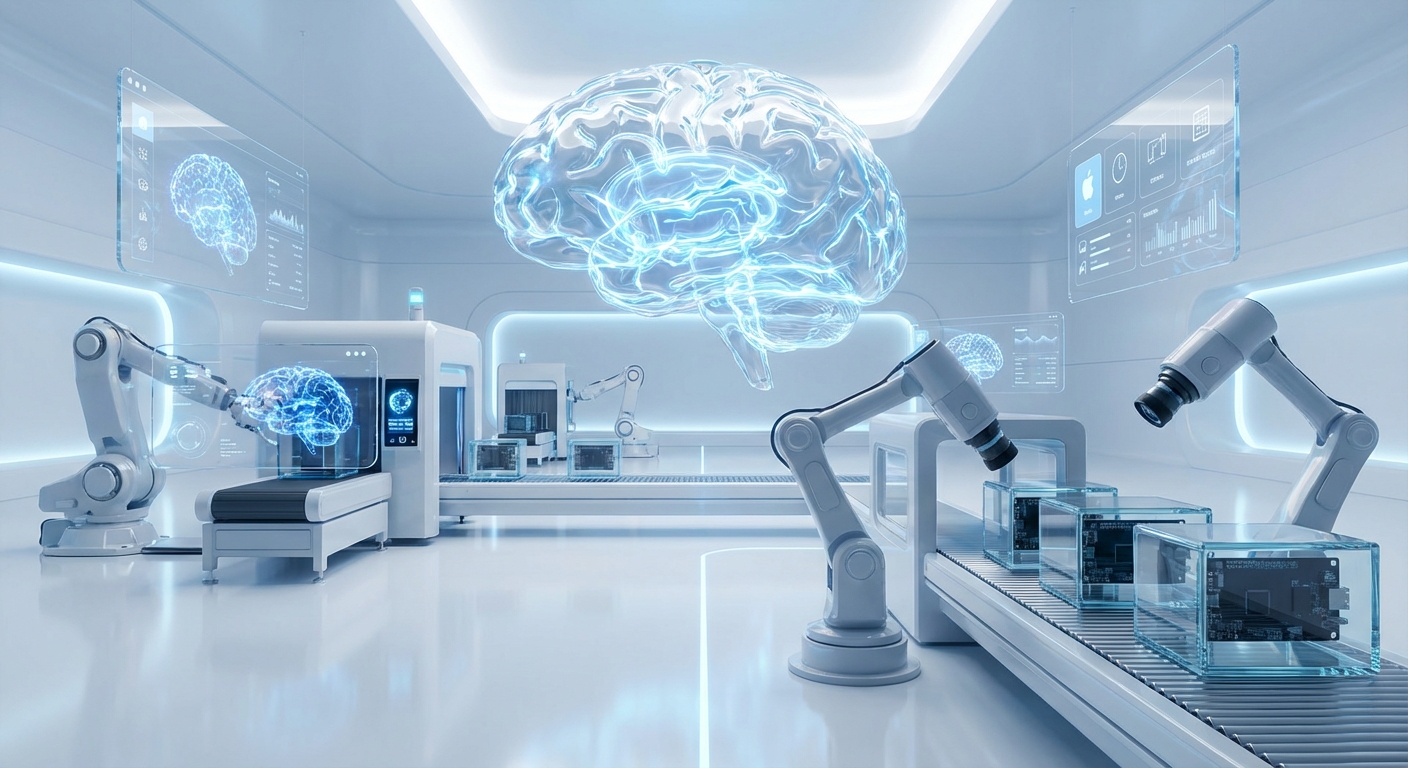
When talking about artificial intelligence in business, the discussion often focuses on models: ChatGPT, Claude, Gemini. However, this vision obscures what is essential. As Jensen Huang, founder of Nvidia, pointed out, the real AI war is being played out on five interrelated layers. And contrary to popular belief, the most critical layer is not even technological in the strict sense: it is energy.
For managers of industrial, construction and service companies, understanding these five layers makes it possible to identify where to invest, which partners to choose, and especially where the real differentiator is located. Because if you do not master the right layers, you risk becoming a simple tenant of AI rather than an actor in your transformation.

Modern artificial intelligence is based on a simple physical truth: it turns electricity into calculation. Training a successful model or running AI infrastructures requires stable, abundant and economical energy.
This energy layer determines the real capacity of a country or region to develop competitive AI infrastructures. Issues include power generation, grid capacity, cooling systems, and securing supplies.
For a company, this means anticipating the energy costs associated with hosting AI solutions, evaluating the resilience of its datacenters, and integrating this dimension into any intensive automation project.
AI is not just a computer problem. First of all, it is an energy problem.
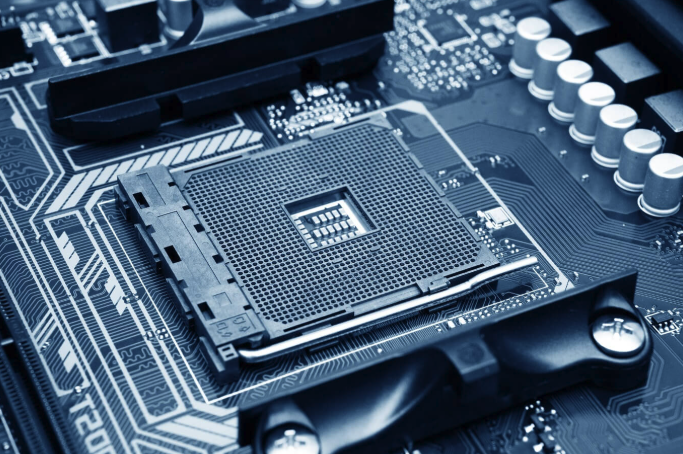
The second layer involves specialized semiconductors: GPUs, TPUs, and other processors designed for massively parallel computing. Nvidia dominates this segment thanks to its GPUs optimized for training and inference of AI models.
These components are rare, expensive and strategic. Training or deploying a competitive model requires thousands of interconnected GPUs. This scarcity creates a global bottleneck and explains why some businesses struggle to access sufficient computing capacity.
For European companies, this technological dependence is real. However, it is not an absolute obstacle: the majority of business projects do not require having these infrastructures, but knowing how to mobilize them effectively via suitable partners.

Owning GPUs is not enough. They need to be connected, orchestrated, cooled and operated reliably and efficiently. That's the role of cloud infrastructure.
Hyperscalers — AWS, Azure, Google Cloud — master this layer. They offer much more than simple servers: they offer an industrial architecture capable of managing massive loads, optimizing costs and ensuring service continuity.
For a company, choosing a cloud partner determines the scalability, security, and performance of the AI solutions deployed. The challenge is not to own the infrastructure, but to select the one that best meets business needs: latency, data sovereignty, cost per request, compatibility with existing tools.
The GPU is the muscle. The infrastructure is the nervous system.
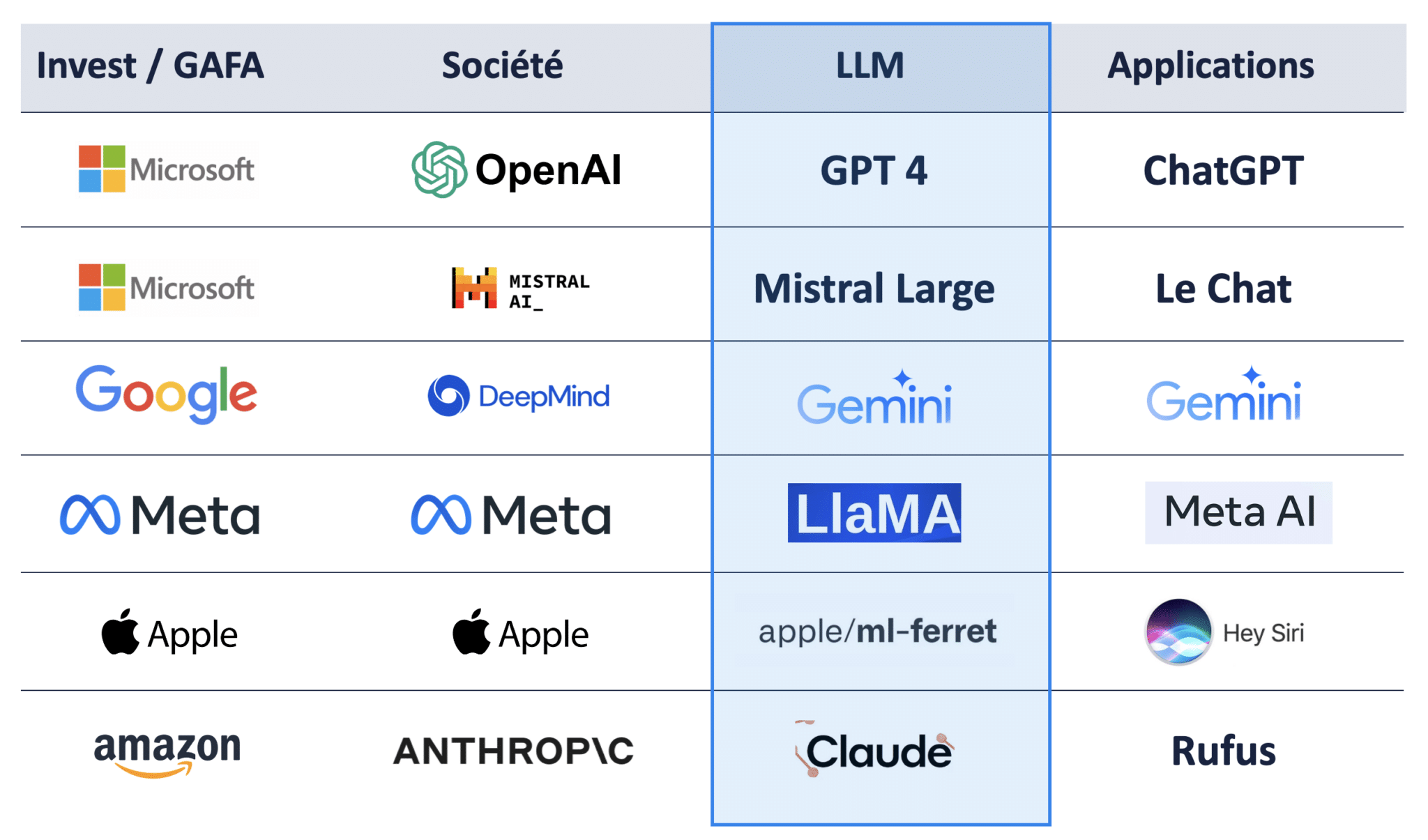
The LLMs — GPT, Claude, Gemini, Gemini, Llama, Mistral — constitute the most mediatized layer. It's what the general public sees and uses. However, this layer is tending towards standardization.
At the beginning, only a few actors had successful models. Today, access to quality models is rapidly becoming available. In this context, the value no longer lies only in the raw power of the model, but in its ability to be integrated, specialized and adapted to business use cases.
The companies that win are not necessarily the ones that develop the best models, but the ones that know how to:
This is precisely where tailor-made AI makes perfect sense: transforming a generic model into a specific tool, rooted in real business processes.
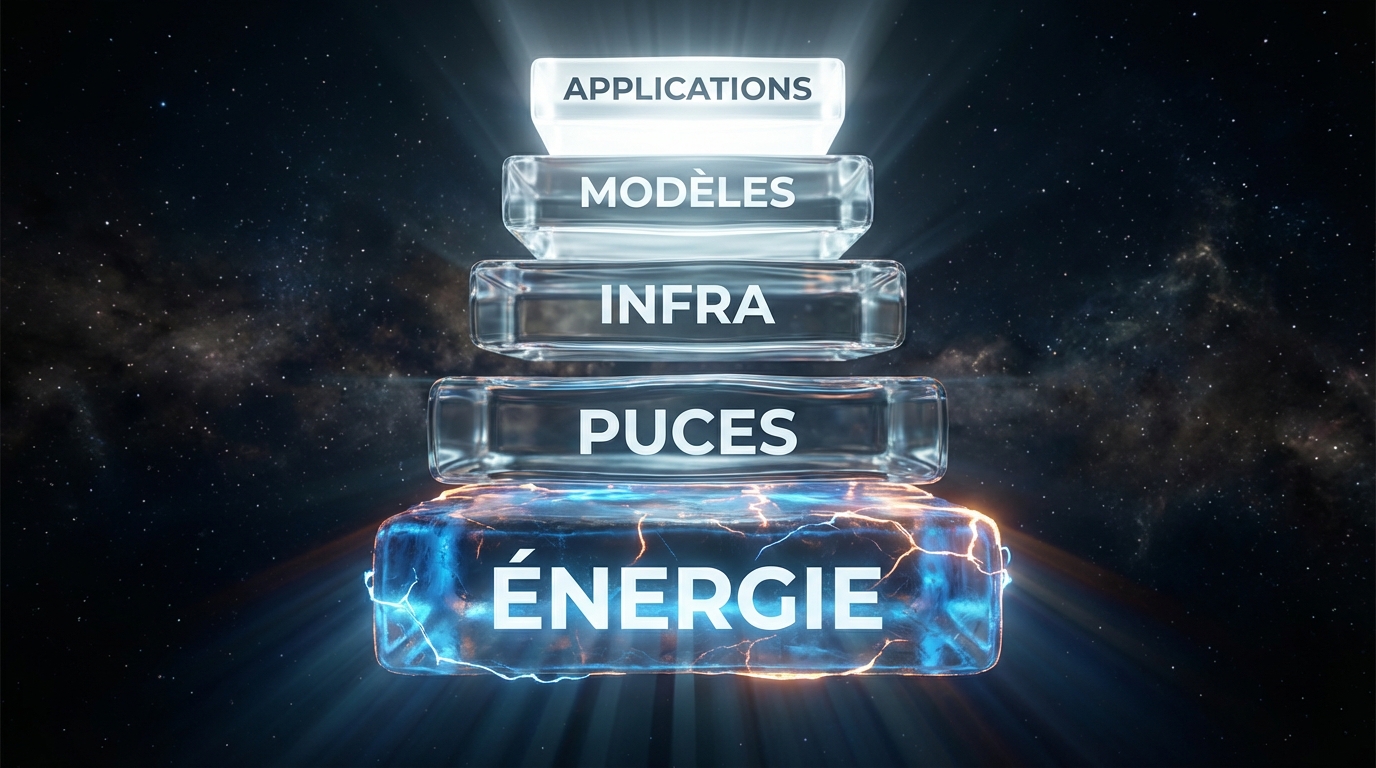
The fifth layer is often underestimated, even though it concentrates most of the value. It's the application layer: AI transformed into a product, into a workflow, into invisible but effective automation.
In three years, most businesses will have access to similar models. The difference will be made in the ability to transform these models into concrete solutions that:
The best AI is the one you don't notice, because it just saves time and money.
Countries and companies that excel at the application layer share common characteristics: speed of execution, pragmatism, massive adoption and smooth integration into everyday tools. China, for example, excels in this dimension thanks to its super-applications integrating AI in an almost invisible way.
Conversely, many Western players remain focused on the technical performance of models, without sufficiently investing in rapid production and the real user experience.
For an industrial, construction or service company manager, the question is not to compete with Nvidia on chipsets or with AWS on infrastructure. These battles are not within your reach or necessary.
Your strategic lever is located on the application layer.
That means:
Europe is structurally lagging behind in the lower layers (chipsets, infrastructure). But it has a considerable asset: a thorough knowledge of complex jobs and demanding industrial environments. It is on this business expertise, coupled with a personalized approach to AI, that competitiveness is at stake.
In the years to come, all economic players will have access to efficient AI models. The real difference won't come from the technology itself, but from the ability to turn that technology into a concrete competitive advantage.
Successful businesses will be those that know how to:
Customized AI is not a luxury. It is a strategic necessity to transform artificial intelligence into operational performance.
Our latest posts and thoughts...
.svg)
AI for SMEs and mid-market companies.

© 2026 StratIA. Tous droits réservés.
StratIA Conseil · SAS · Toulouse, France
Contact : yoan@strat-ia.fr